Konjac rice, as a fiber rich and low calorie ingredient, has been highly discussed in recent years. It not only has rich nutritional value, but also possesses many unique characteristics. This article will explore the source, nutritional value, and application of konjac rice in healthy eating, providing readers with a deeper understanding of this ingredient.
The origin and characteristics of konjac rice: Konjac rice is extracted from the tubers of konjac plants. Konjac plants mainly grow in subtropical regions such as China, Japan, and South Korea. Its appearance is similar to ordinary rice grains, but its texture is more resilient and elastic. Konjac rice is rich in components such as gluconic acid and potassium gluconate, which help lower blood sugar and cholesterol levels and are crucial for weight control and maintaining cardiovascular health.
The nutritional value of konjac rice: Konjac rice is a low calorie, high fiber ingredient that is ideal for those who pursue a healthy diet. It contains abundant dietary fiber, which helps promote intestinal peristalsis, prevent constipation, and promote digestion. In addition, konjac rice is rich in various vitamins and minerals, such as vitamin C, potassium, and calcium, which help enhance the immune system, maintain bone health, and promote cell regeneration.
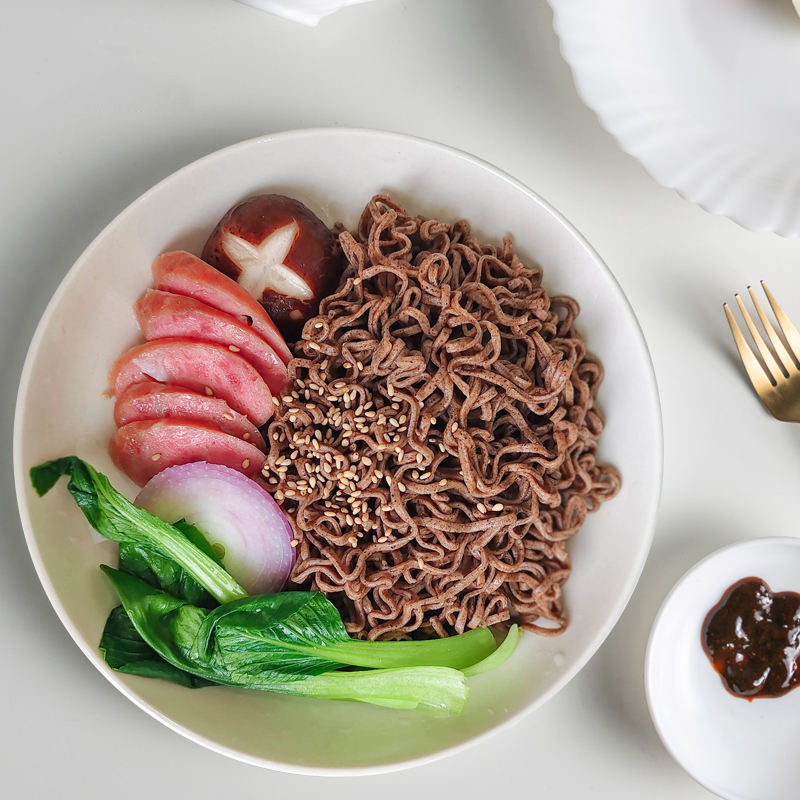
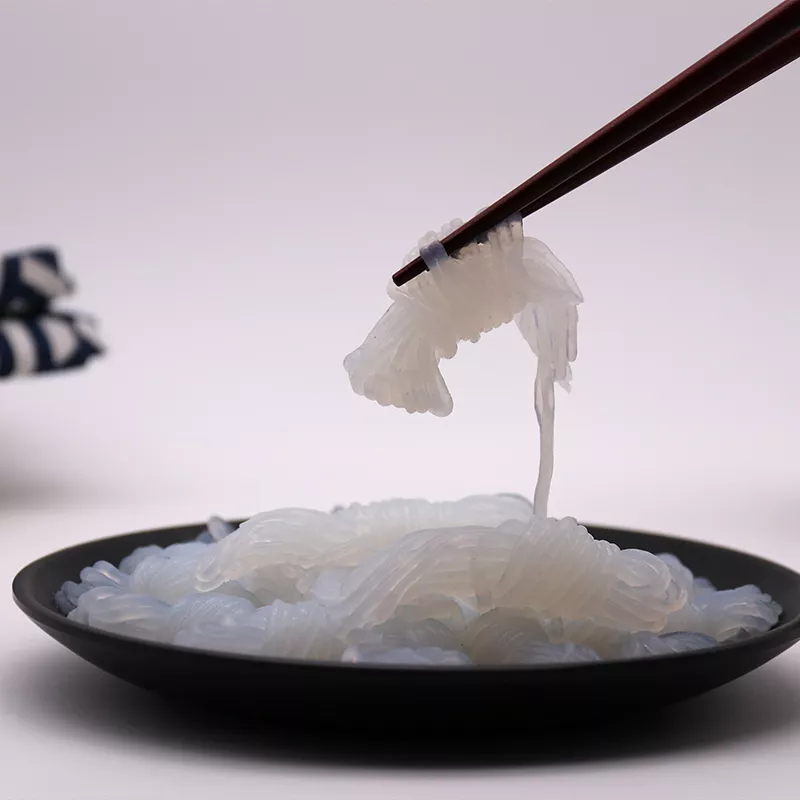
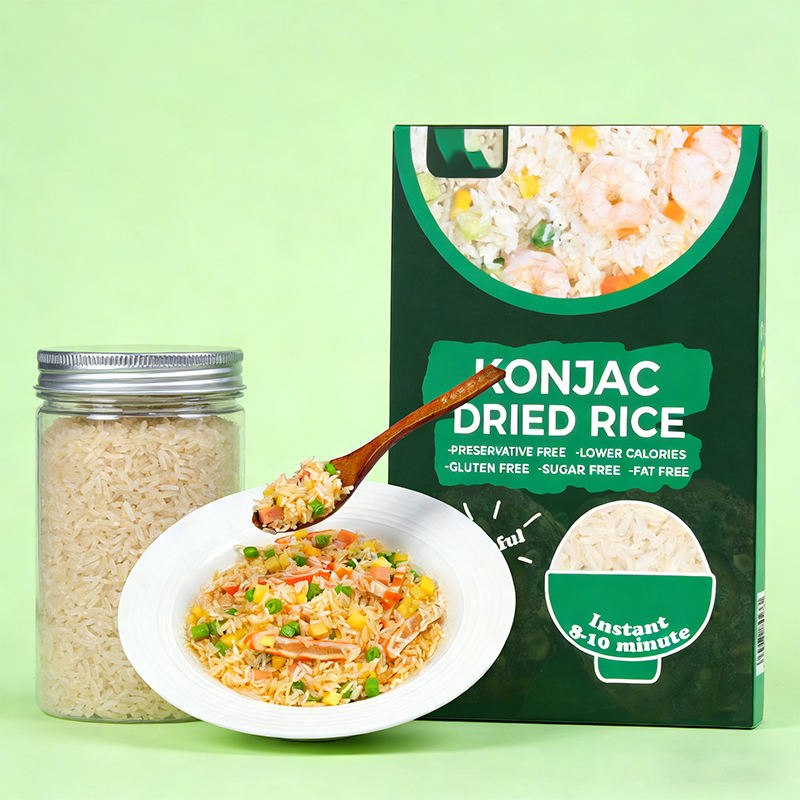
The application of konjac rice in healthy diet: Konjac rice can be used in many dishes to increase dietary diversity and nutritional value. For example, it can replace traditional rice or noodles to make low calorie konjac rice or konjac noodles. In addition, konjac rice can also be used as a cold salad ingredient, paired with vegetables, seafood, or meat to make nutritious salads. Due to its unique taste and absorption, konjac rice is also widely used as a substitute for traditional flour in making pastries, pastries, and fillings.
Cooking techniques for konjac rice: Using konjac rice for cooking requires some specific skills. Firstly, soak the konjac rice in water for a period of time, then cook or steam it to ensure safe consumption. In addition, to remove the special odor in konjac rice, it can be rinsed with water after cooking. Finally, during the cooking process, seasonings and ingredients can be added according to personal taste to make the magic taro rice more delicious.
Conclusion: Konjac rice, as a nutritious and multifunctional ingredient, is gradually entering people's dining tables. Its low calorie, high fiber, and rich nutritional content make it an ideal choice for a healthy diet. Through proper cooking and innovative combinations, we can incorporate konjac rice into our daily diet and enjoy the benefits it brings. Let's embark on an exploration journey of konjac rice together and experience its wonders!